Digital MarketingSeptember 2026·8 min read·By Flashify Editorial Team
Digital Marketing for Small Businesses in Chennai: Where to Start
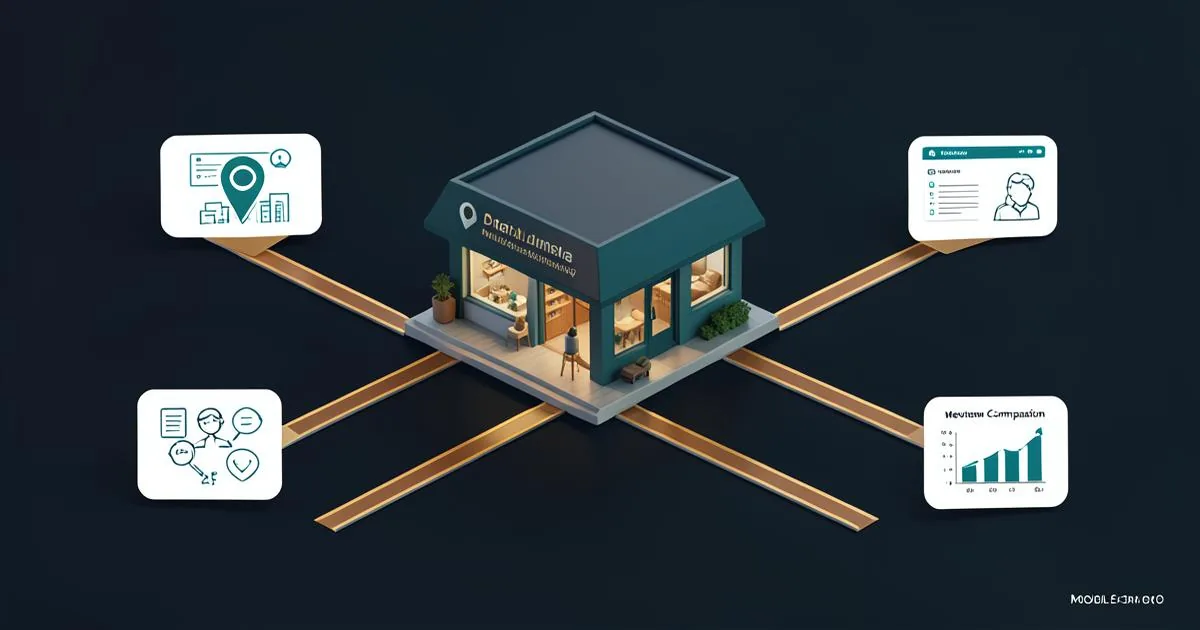
Most small businesses in Chennai do not need more marketing channels. They need the two or three that actually bring enquiries to be set up properly. This is the order we work in when a shop, clinic, studio or contractor asks where to begin.
Step 1: Claim and complete your Google Business Profile
For a local business, this is almost always the highest-return hour you will spend. When someone searches "salon near me" or "interior designer in Anna Nagar", Google shows a map with three listings before it shows any website. If your profile is missing, mis-categorised or half-filled, you are not in that comparison at all.
Get the primary category exactly right, add your service list, real photos of the actual premises and work, correct hours including public holidays, and a phone number that someone answers. Read the detail in our Google Business Profile guide for Chennai, or see the service side on Google Business Profile optimization.
Step 2: Give people one page that answers their questions
A website does not have to be large. It has to answer what a Chennai customer asks before they call: what exactly do you do, which areas do you cover, what does it roughly cost, who have you worked with, and how do I reach you now. A five-page site that answers those clearly outperforms a twenty-page site that talks about "synergy".
Two practical points we see repeatedly: the phone number must be tappable, and the page must be readable on a 5-inch screen in daylight. Most local traffic in Chennai is mobile. See website design services for how we structure this.
Step 3: Make sure your business details match everywhere
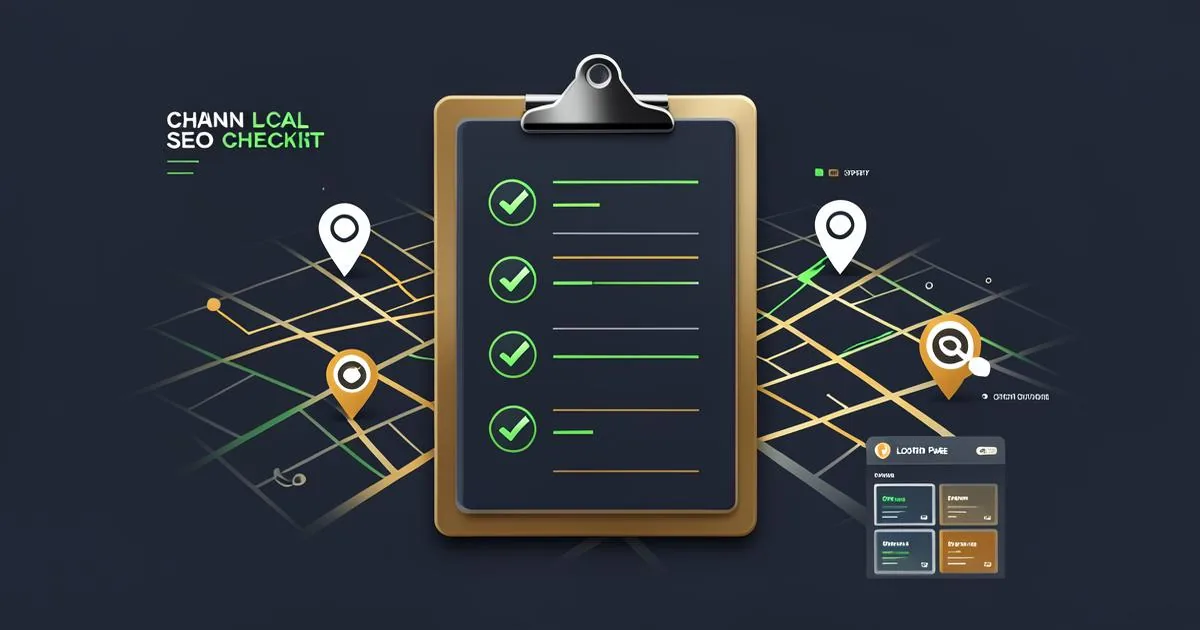
Your name, address and phone number should read identically on your website, your Google profile, Justdial, Instagram and any directory you are listed on. Mismatched details are one of the most common and most boring reasons a local business struggles to surface. Our local SEO checklist covers this in order.
Step 4: Build a review habit, not a review campaign
Ask every satisfied customer, at the moment they are satisfied, with a direct link. A steady trickle of genuine reviews with real detail is worth far more than a burst of five-word ones. Reply to all of them, including the unhappy ones — future customers read the replies more carefully than the reviews.
Step 5: Only then consider paid ads
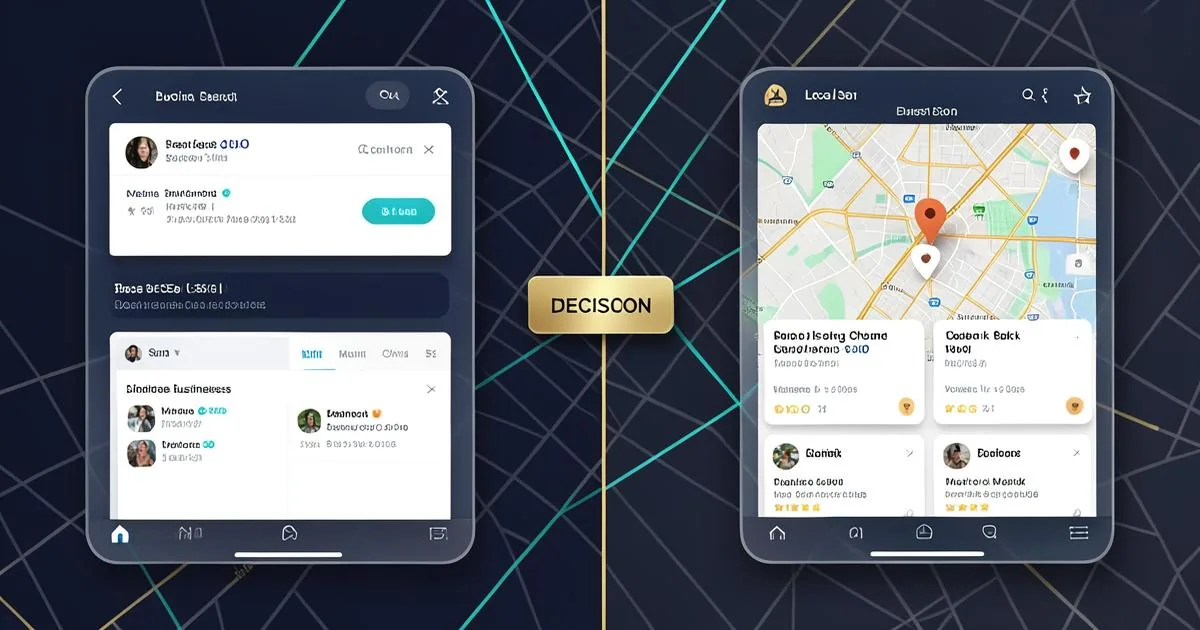
Ads send traffic to whatever you already have. If your page does not convert and your profile does not build trust, ads mostly buy you a faster way to lose money. Once the basics work, paid search is a legitimate way to buy visibility for high-intent searches you do not yet rank for. We compare the two honestly in local SEO vs Google Ads.
What to measure
Keep it simple: calls, WhatsApp messages, form enquiries, and where each came from. Anything you cannot tie to one of those four is a vanity metric. Ask whoever runs your marketing to report on enquiries, not impressions.
A realistic timeline
Profile and website work can be done in weeks. Local search visibility moves over months, and how quickly depends on your category, your area and how established the businesses around you are. Anyone who promises a fixed position by a fixed date is guessing.
Spend first on a complete Google Business Profile and a small, clear website. Both are one-time or low-cost foundations, and paid ads perform poorly without them.
Yes, for most categories. The profile gets you found and compared; the website is where someone checks whether you are credible, what you charge and what you have done before.
Profile and website improvements can produce calls quickly. Organic and local search visibility usually changes over months, and depends on your category, area and competition — no one can promise a date.
It helps for visual categories such as bridal, food and interiors, but it does not capture people actively searching on Google or Maps. Treat it as a complement, not a replacement.